



Life Cycle
Perennial

Plant Characteristics
Low-growing plant

Growth Habit
Spreading

Bloom Season
Late spring to summer

Flavour Profile
Not edible

Suitable for
Outdoor

Planting Season
Spring / Early Summer

Fruit Size
N/A

Plant Height
6–12 in

Light Requirement
Full sun to partial shade

Water Needs
Moderate

Hardiness Zones
Zones 3–10

Container Garden
Yes

Plant Spacing
~12–18 in (30–45 cm)

Planting Depth
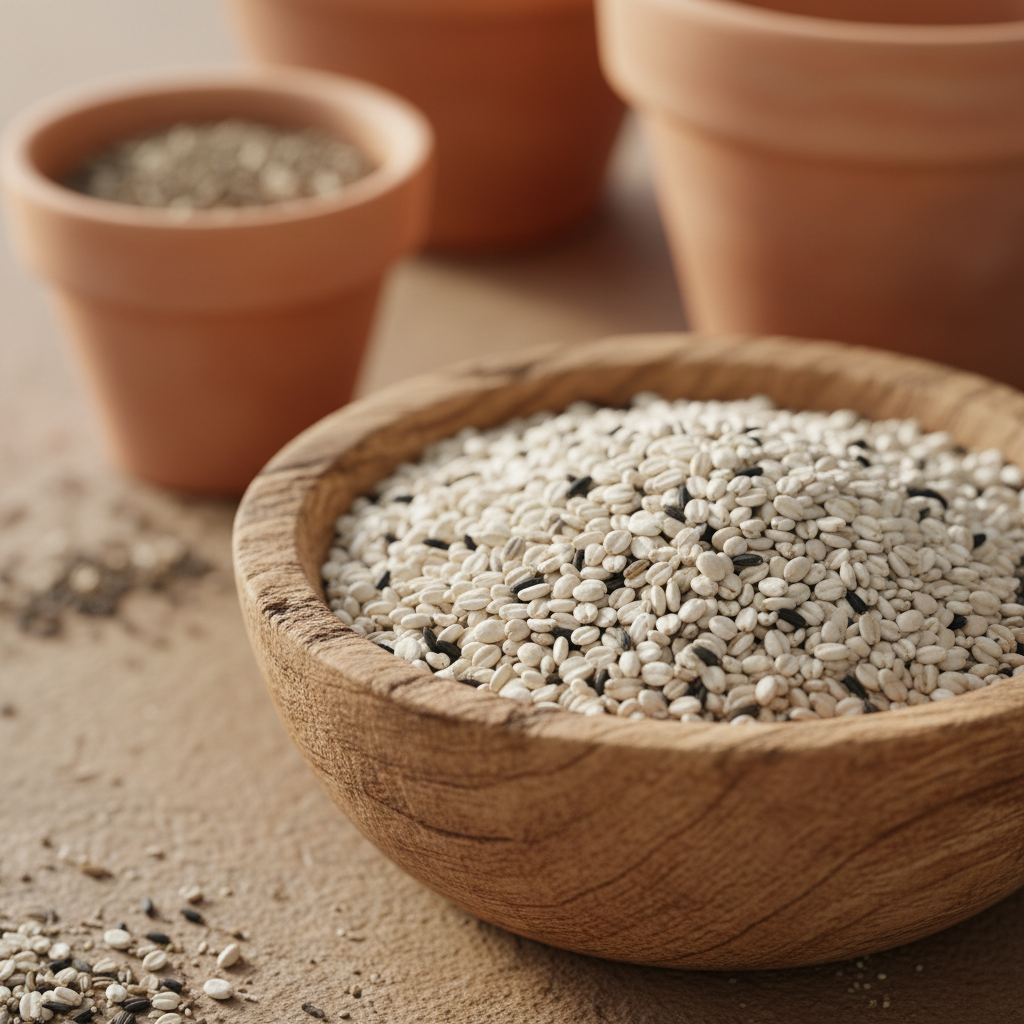
Surface sow / 1–3 mm shallow

Growing Conditions
Well-drained soil
Frequently Asked Questions
How is Gypsophila repens different from florist's baby's breath?
How is Gypsophila repens different from florist's baby's breath?
G. repens is a low, creeping ground cover, while florist's baby's breath (G. paniculata) grows taller and upright, more suited to cutting for arrangements.
Does this gypsophila spread to form a mat over time?
Does this gypsophila spread to form a mat over time?
Yes, it's a low, spreading perennial that gradually forms a dense mat, making it useful as a living ground cover.
What does the bloom display look like on creeping gypsophila?
What does the bloom display look like on creeping gypsophila?
It produces a haze of tiny white flowers covering the foliage, giving a soft, cloud-like carpet effect in late spring to summer.
Where does creeping gypsophila work best in garden design?
Where does creeping gypsophila work best in garden design?
It's well suited to rock gardens, wall crevices, edging, and between paving stones where a low spreading habit is desired.
Do pollinators visit gypsophila's tiny flowers?
Do pollinators visit gypsophila's tiny flowers?
Bees and small pollinating insects are drawn to the abundant tiny blooms during its flowering period.
How much spacing does creeping gypsophila need?
How much spacing does creeping gypsophila need?
Space plants roughly 12-18 inches apart to allow the mat-forming habit to fill in without overcrowding.