Skip to product information
1 of 4

Winterberry Holly Seeds for Planting – Ilex verticillata Deciduous Shrub with Vibrant Red Berries

Winterberry Holly Seeds for Planting – Ilex verticillata Deciduous Shrub with Vibrant Red Berries

Regular price $16.39 USD
Regular price Sale price $16.39 USD
Sale Sold out
Quantity

How to Sow and Plant

Stratify seeds in a moist, cool environment for 2–3 months.

Sow in well-drained, slightly acidic soil, covering lightly (0.5–1 cm).

Keep soil moist and place in full sun to partial shade.

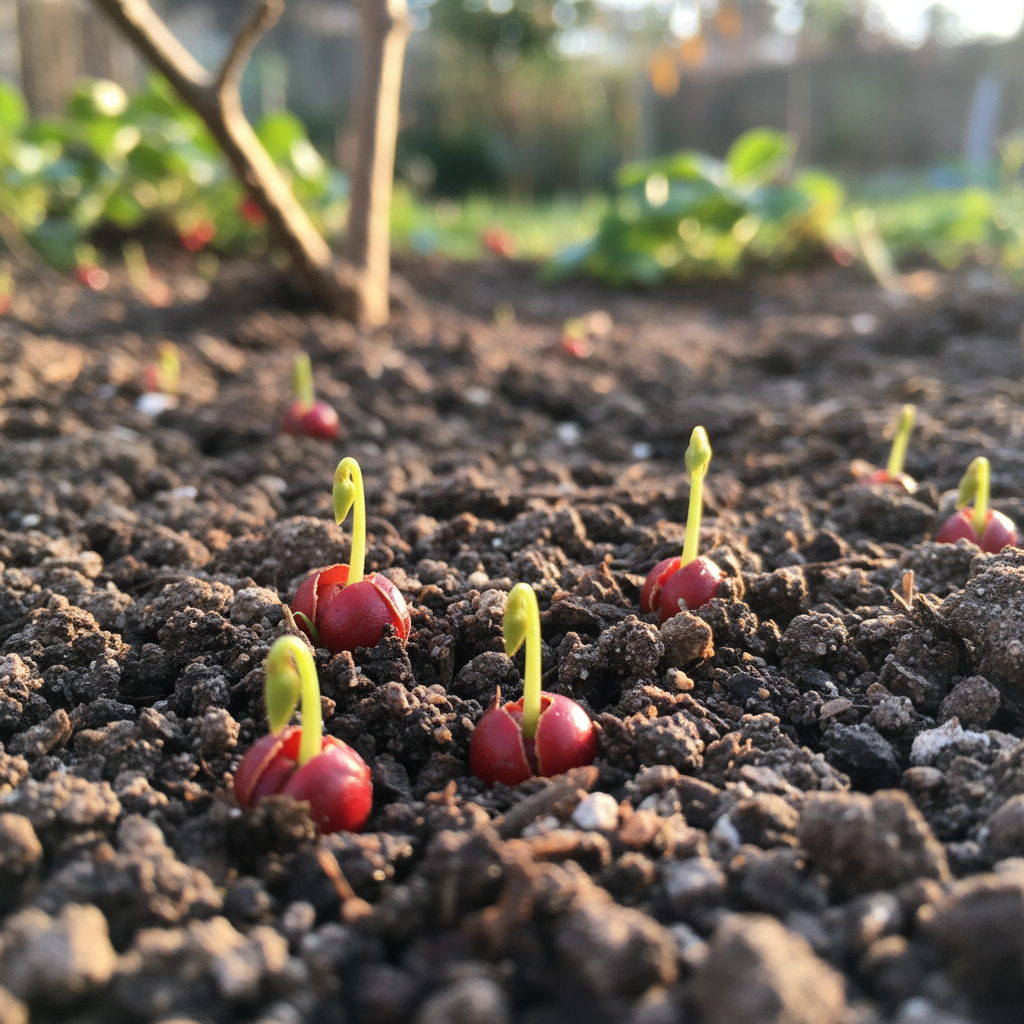
Germination takes 30–90 days.

Once seedlings have 2–3 true leaves, transplant into pots or garden beds.

How to Grow

Plant in full sun to partial shade with consistent moisture.

Fertilize 2–3 times a year with organic fertilizer.

Mulch to retain moisture and suppress weeds.

Prune to maintain shape and remove damaged branches.

Protect young plants from frost.

Monitor for pests like scale insects or aphids.

Tips

Provide consistent moisture and slightly acidic soil.

Use containers for small shrubs.

Mulch annually and avoid overwatering.

Plant in groups for better berry production.

View full details
About
Product Information
Features
life-cycle

Life Cycle

Perennial

plant-characteristics

Plant Characteristics

Deciduous

growth-habit

Growth Habit

Upright / Rounded

bloom-season

Bloom Season

Fall–Winter

flavour-profile

Flavour Profile

Ornamental

suitable-for

Suitable for

Outdoor

About
Winterberry Holly Seeds for Planting – Ilex verticillata Deciduous Shrub with Vibrant Red Berries
seed-type

Seed Type

Non-GMO

plant-type

Plant Type

Shrub

Winterberry Holly (Ilex verticillata) is a deciduous shrub with striking red berries that appear in fall and winter. Ideal for hedges, borders, and wildlife gardens, it thrives in moist, slightly acidic soil and attracts birds. Its upright, rounded growth habit adds seasonal structure and ornamental interest to any landscape. Low-maintenance and cold-hardy, this shrub is perfect for gardeners seeking vibrant winter color and ecological benefits in natural or formal garden settings.

Planting information
planting-season

Planting Season

Spring / Fall

fruit-size

Fruit Size

N/A

plant-height

Plant Height

6–12 ft

light-requirement

Light Requirement

Full sun to partial shade

water-needs

Water Needs

Moderate to High

hardiness-zones

Hardiness Zones

3–9

container-garden

Container Garden

Yes

plant-spacing

Plant Spacing

6–10 ft

planting-depth

Planting Depth

0.5–1 cm

growing-conditions

Growing Conditions

Moist

Coverage
Seed Count
Recommended Coverage
SEED COUNT
100
GTIN
036000119411

Frequently Asked Questions

Why are Winterberry berries most visible in winter?

Winterberry loses its leaves while its bright berries remain, making the fruit more prominent during fall and winter.

Does Winterberry prefer acidic soil?

Yes. The product recommends slightly acidic, moist, well-drained soil for growing Winterberry.

Can Winterberry be grown in a container?

Yes. The product specifications indicate that it can be grown in containers, especially while plants are smaller.

Why are Winterberry plants useful in wildlife gardens?

The shrub provides seasonal berries and habitat value, and the product notes that it attracts birds.

How much space should mature Winterberry plants have?

The listed plant spacing is approximately 6–10 feet to allow room for mature shrub growth.

Why are Winterberry plants often planted in groups?

Group planting can improve berry production and create a stronger seasonal visual display.