



LIFE CYCLE
Perennial

PLANT CHARACTERISTICS
Flowering

GROWTH HABIT
Clump-forming

BLOOM SEASON
Summer

FLAVOUR PROFILE
Ornamental

SUITABLE FOR
Outdoor

SEED TYPE
Bulb

PLANT TYPE
Flowering Perennial

PLANTING SEASON
Spring

FRUIT SIZE
N/A

PLANT HEIGHT
20–30 cm

LIGHT REQUIREMENT
Full Sun

WATER NEEDS
Moderate

HARDINESS ZONES
7–11

CONTAINER GARDEN
YES

PLANT SPACING
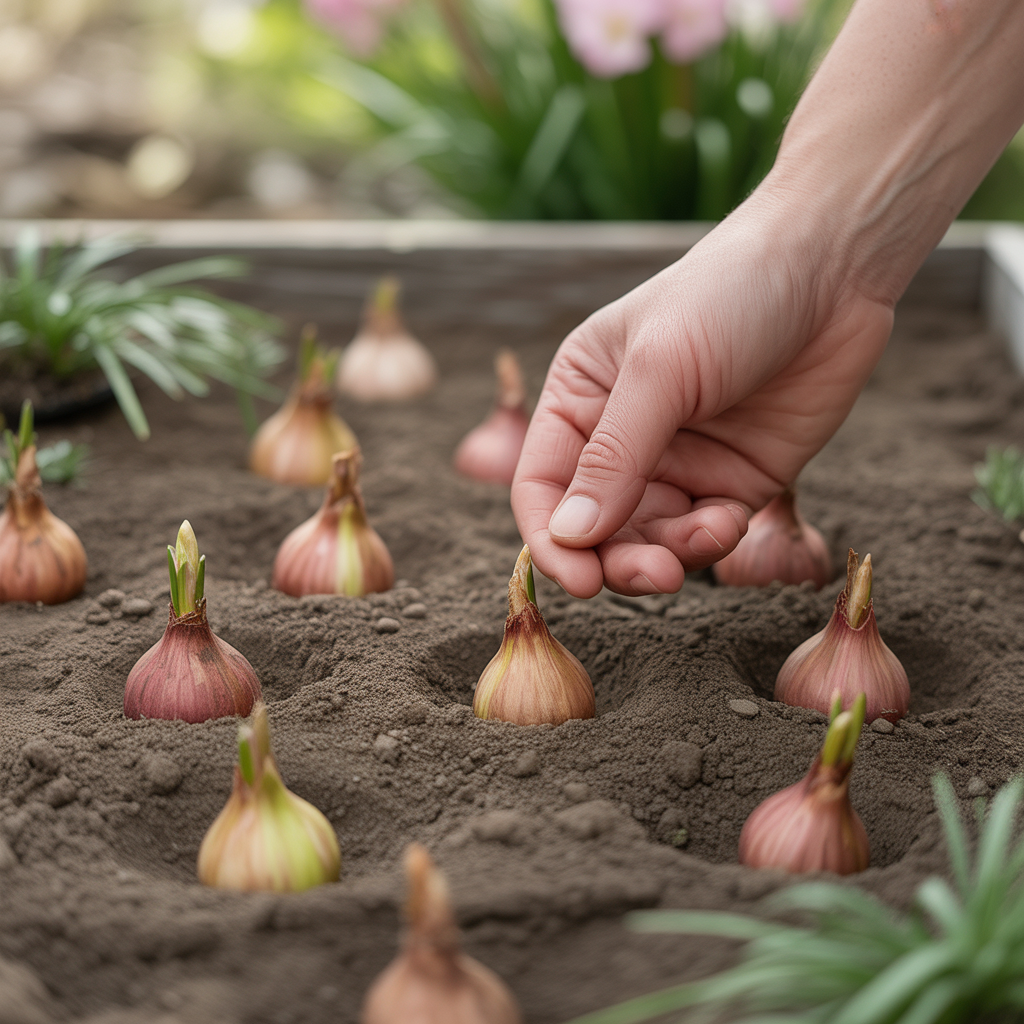
10–15 cm

PLANTING DEPTH
5–7 cm

GROWING CONDITIONS
Well-drained soil
Frequently Asked Questions
Why is Zephyranthes called Rain Lily?
Why is Zephyranthes called Rain Lily?
It is commonly called Rain Lily because flowering can occur or improve after rainfall.
Can Rain Lily bulbs remain dormant between growth periods?
Can Rain Lily bulbs remain dormant between growth periods?
Yes. Watering should be reduced during dormancy, with more moisture supplied during active growth.
Does Rain Lily need frequent fertilization?
Does Rain Lily need frequent fertilization?
The page indicates that these bulbs can thrive with minimal fertilization.
Are Rain Lilies suitable for pots?
Are Rain Lilies suitable for pots?
Yes. The product specifications and growing guidance list containers as a suitable option.
What soil condition is important for Rain Lily?
What soil condition is important for Rain Lily?
Well-drained soil is important because the bulbs should not remain in waterlogged conditions.
How close can Rain Lily bulbs be planted?
How close can Rain Lily bulbs be planted?
The listed spacing is 10–15 cm between bulbs to allow room for clump development.